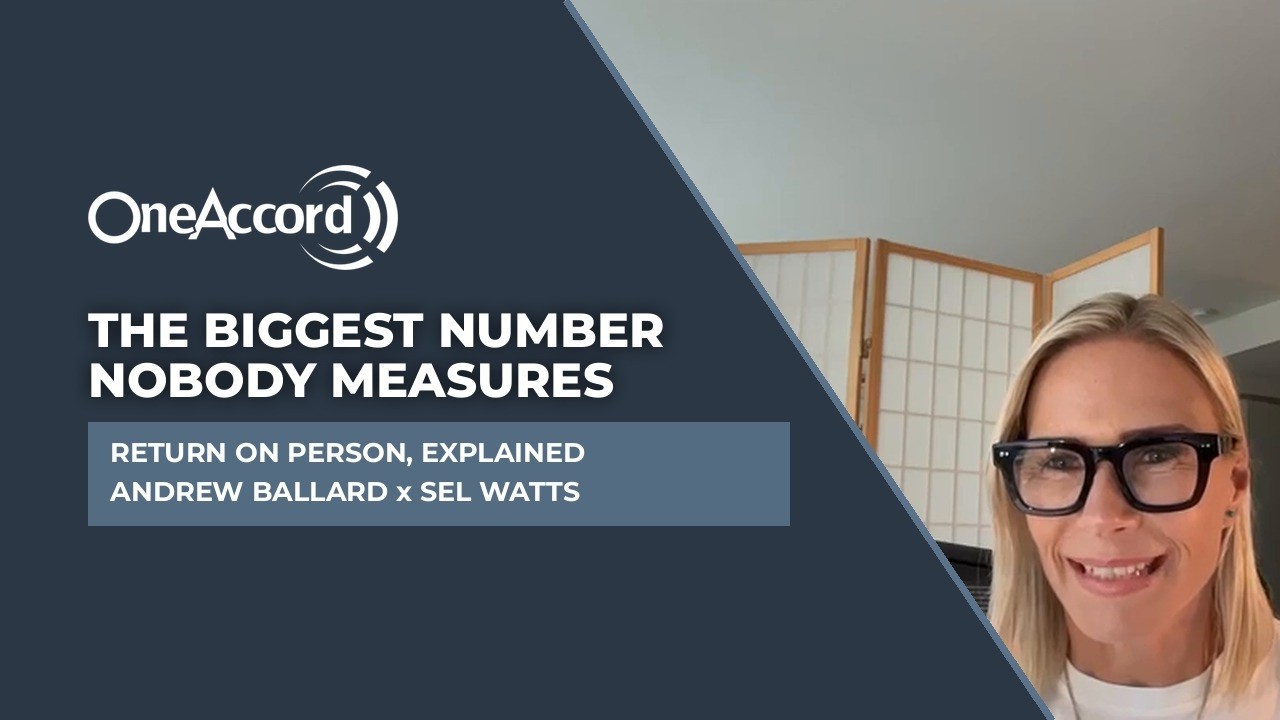

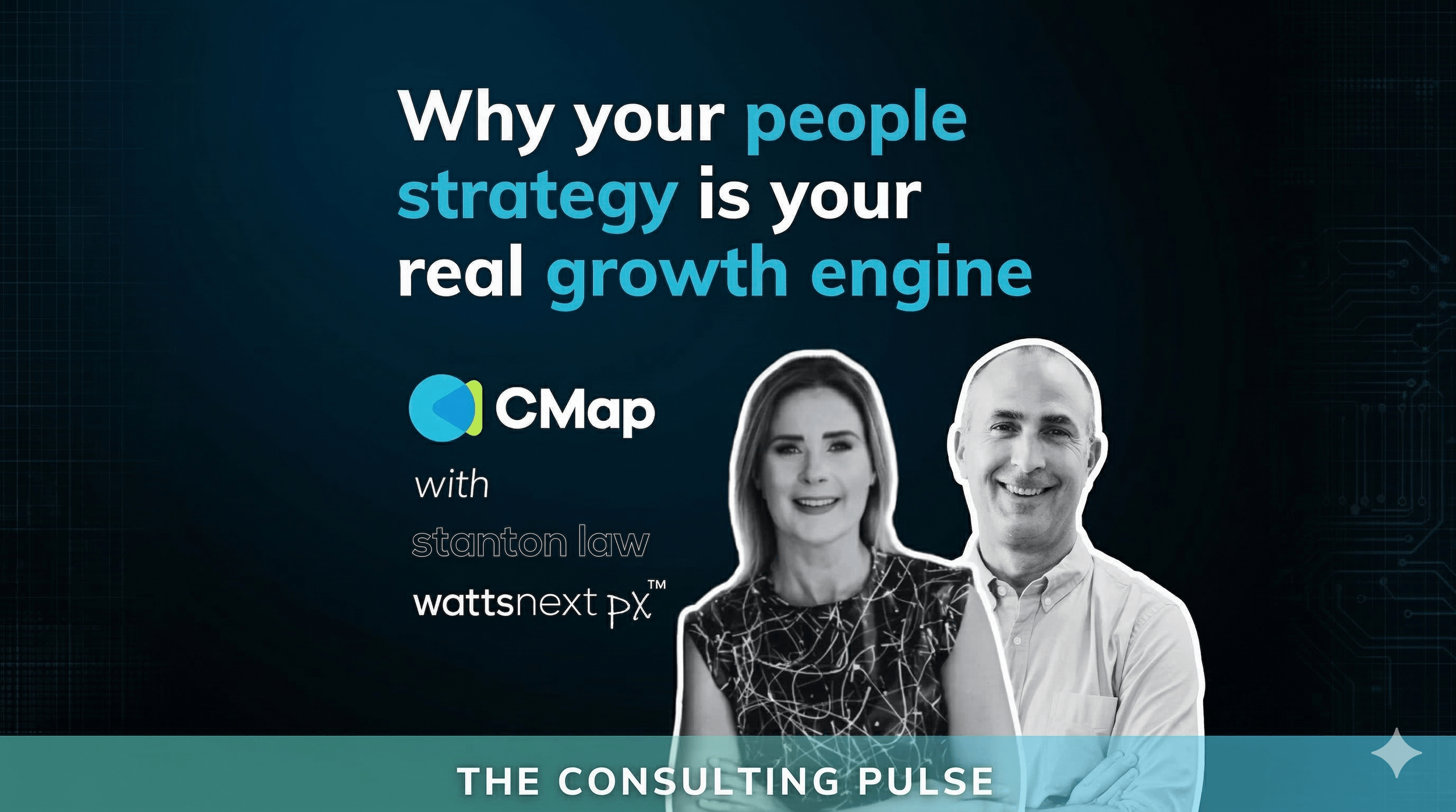


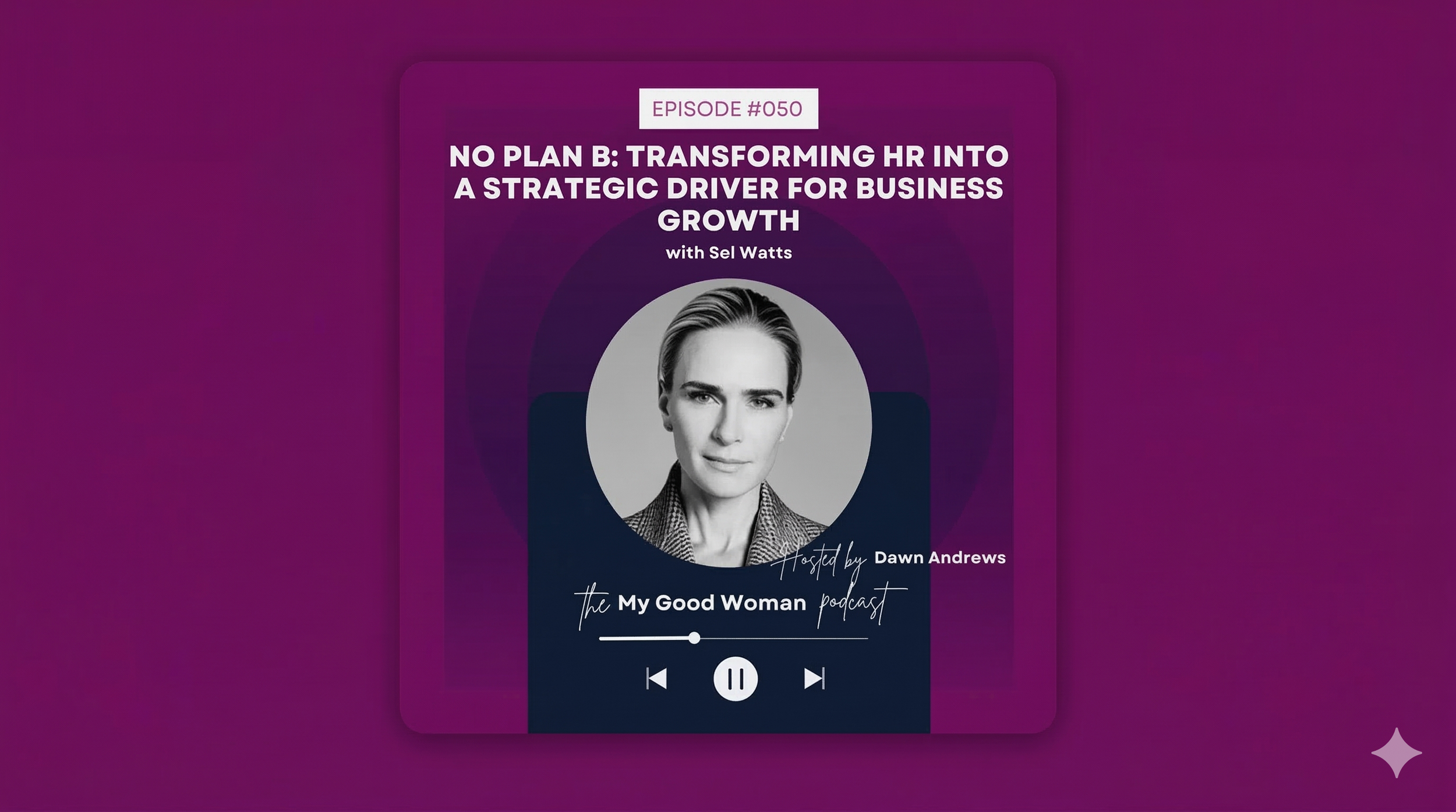

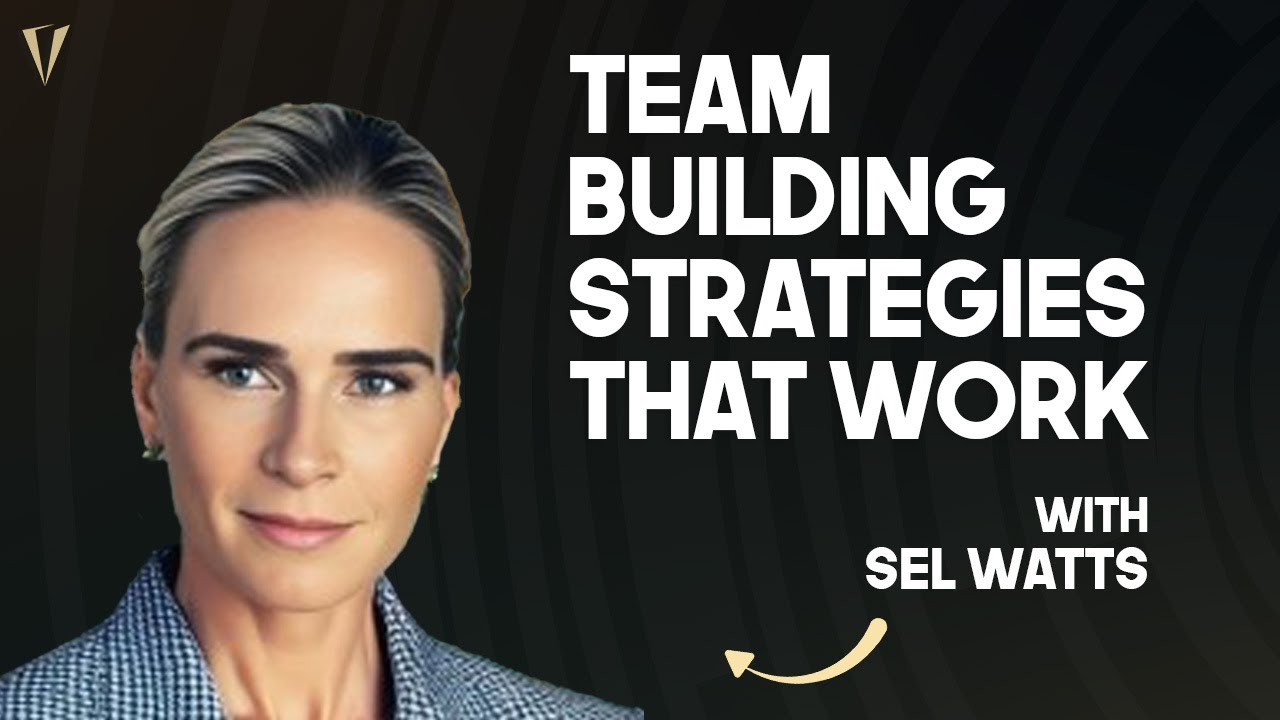


Sel Watts joins Andrew Ballard on The Value Factory to put a number on the line item most founders never question. Payroll is the biggest cost on the P&L of any professional services firm, yet almost nobody calculates what it returns. Sel calls that number return on person, and it sits at the center of her PX Baseline diagnostic.
Highlights
- Return on person, defined. Gross revenue divided by payroll. The exact inputs vary by business, so the first step is agreeing on what counts, then tracking it year on year. The goal is for that number to rise, instead of revenue growth dragging headcount along with it.
- Same revenue, same headcount, very different firms. Two businesses can look identical on paper and get completely different returns from each person. Sel has lived the version where the team grows, the money doesn't, and the founder just gets more stressed.
- The old one-third rule is gone. Professional services used to expect a salary to cover itself, overhead and profit. With AI and automation handling the repeatable work, a $100,000 hire can now return $500,000 when their time goes to judgment and advisory work.
- A weak return is rarely a people problem. It's the system around the people. Sel's formula hasn't changed in 20 years: tell people exactly what success looks like, give them fast feedback, and give them the resources to deliver.
- Annual reviews don't work. Once a year is too late to coach anyone, and too late to make a clean call when it isn't working. Feedback has to happen close to real time.
- Morale isn't bring-your-dog-to-work day. Culture architecture isn't about perks. Sel separates how people rate team morale from their own job satisfaction, and both come back to clarity, feedback and leaders willing to have hard conversations.
- Founders are the worst people to run their own people work. Sel is banned from first-round interviews at her own firm. Surveys need outsiders too, both for anonymity and because owners read the results personally.
- What the diagnostic shows a founder. It starts with the founder's goal, like an exit in three years, then shows which hires come first, which roles to cut and what to stop doing entirely. Less is more.
Also discussed
- Why the time a role needs to produce a return varies, from two days for a receptionist to months for a salesperson on a long cycle
- 2026 survey data from the US and Australia showing employees expecting to stay longer than in recent years
- Why onboarding matters more than retention: get the return while people are there
- More US firms coming in proactively, planning the people side of a scale or sale the way they'd plan it with their accountant
Sel's advice for a founder with 20 or 25 people and a nagging sense that something isn't clicking: calculate return on person for the last three years, then ask honestly whether your team knows what success looks like.